



We Developed a Sugar Rush 1000 Strategy After Testing It Extensively — Here's What Actually Works for Canadian Players 2026
Provider:
Pragmatic Play
Type:
Slot
Volatility:
Medium / High
RTP:
97.5%
Minimum Bet:
0.2
Maximum Bet:
100
Autoplay:
No
Release Date:
08.03.2024
We want to be direct about this upfront: no strategy can guarantee wins in Sugar Rush 1000 or any other certified RNG slot. What follows is our honest account of how we structure sessions, make Bonus Buy decisions, and approach the Free Spins round — not a system that beats the game, but a framework built from real testing that consistently produces a better session experience than playing without one. We've spent significant time with Sugar Rush 1000 — across multiple Canadian casino platforms, at various bet levels, testing both Bonus Buy tiers and tracking every aspect of session performance we could document. The observations below are things we genuinely believe and act on, not standard guidance dressed up in testing language. Canadian players can take or leave any of it based on their own experience.
Table of Contents
Our Strategic Foundation: Understanding What the Game Allows
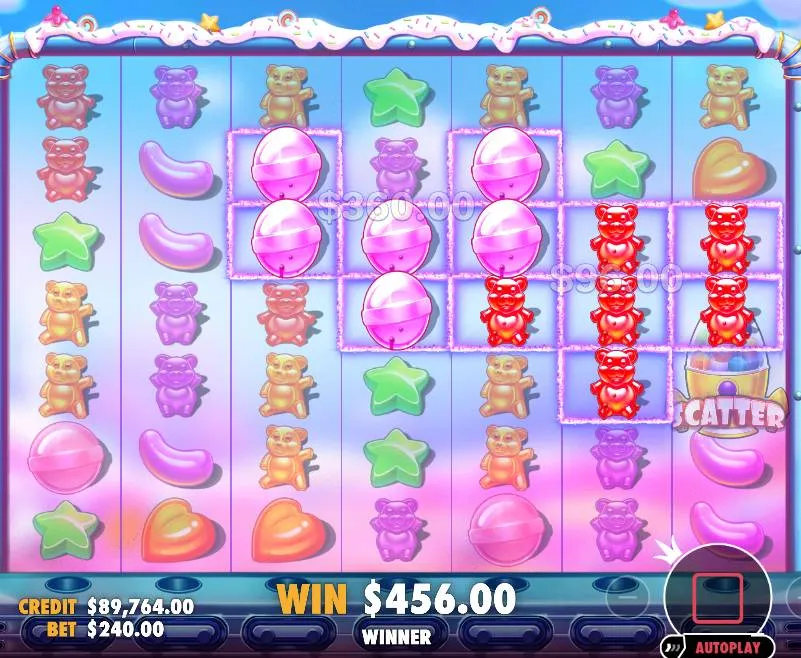
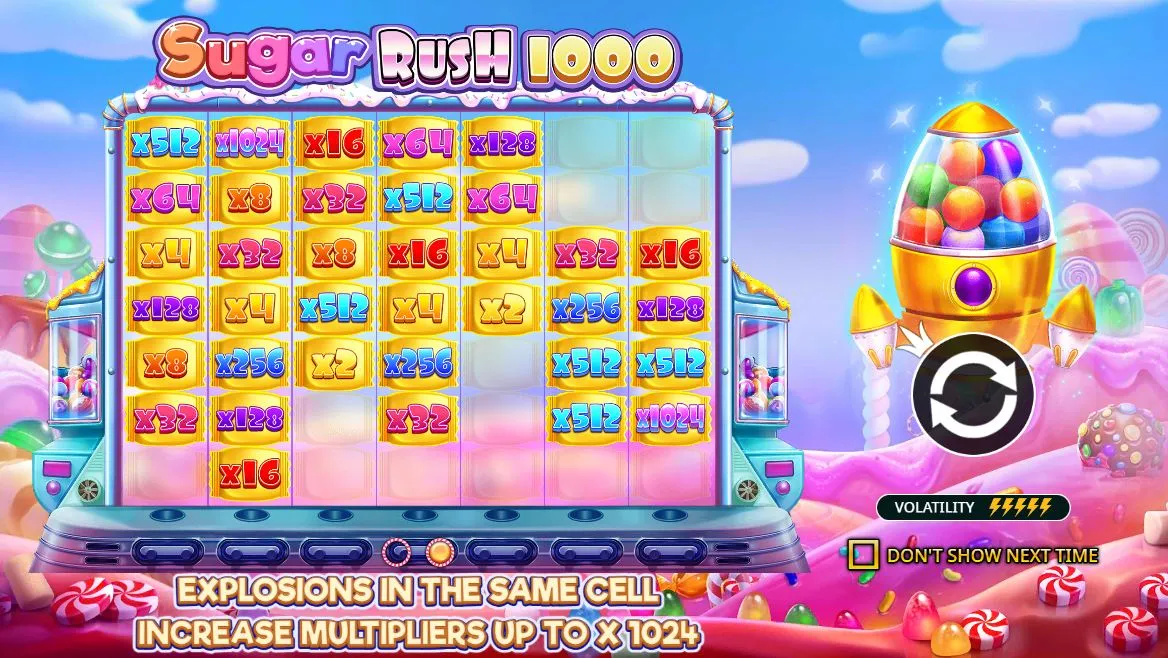
The first thing we established in our testing is that Sugar Rush 1000 has a clear structural hierarchy. The base game feeds the Free Spins feature. The Free Spins feature is where the maximum win potential of 25,000 times the stake becomes accessible. The Multiplier Spots that accumulate throughout the game — and that persist without resetting during the bonus round — are the mechanism through which large outcomes become possible.
This means our strategic thinking is always oriented toward one question: are we managing the session in a way that gives the Free Spins round a realistic chance to appear, without depleting the budget before it does? Every session decision — bet size, Bonus Buy use, staying in vs stopping — runs through that lens. We found this orientation meaningfully reduced reactive decision-making during losing runs, because we always had a clear reason to stay the course or a clear reason to stop.
How We Approach Bankroll Planning for Sugar Rush 1000
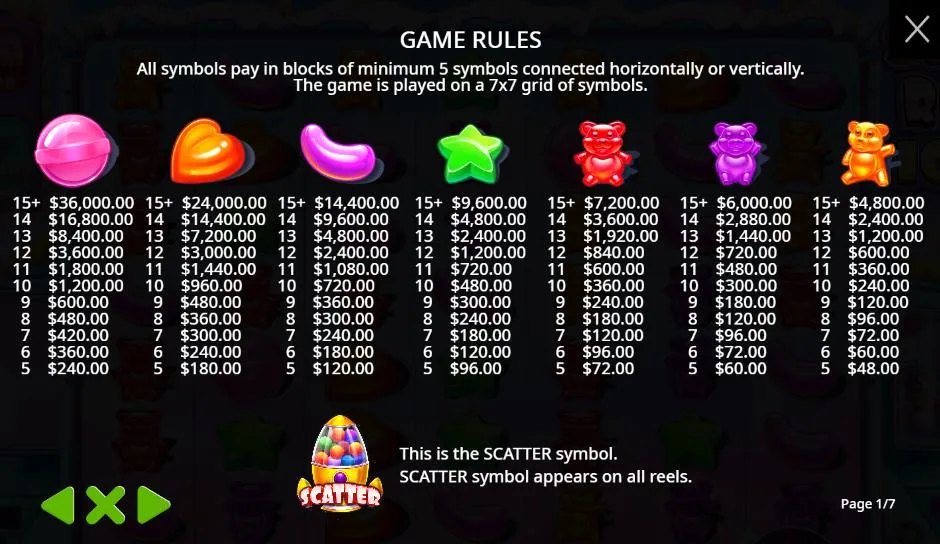
We arrived at a consistent bankroll framework through repeated testing across different bet levels and session lengths. The goal was simple: give the Free Spins feature a realistic chance to appear within a single session, without putting so much in that an unproductive session creates genuine financial strain.
We Applied the 1-in-343 Rule to Every Session — Here's Why
Sugar Rush 1000's Free Spins feature triggers approximately once every 343 base-game spins on average. We confirmed this aligns with our testing experience — some sessions produced triggers within 100 spins; others went over 500. The average held across our aggregate sessions.
We built every session budget around a minimum of 300 spins at the chosen bet level. This is the table we use — and we'd recommend it as a starting reference for any Canadian player.
| Bet per Spin (CA$) | 300-Spin Budget (CA$) | Standard Buy — 100× (CA$) | Super Buy — 500× (CA$) | Our Assessment |
|---|---|---|---|---|
| 0.20 | 60 | 20 | 100 | Good starting point for new players |
| 0.50 | 150 | 50 | 250 | Our recommended entry for most players |
| 1.00 | 300 | 100 | 500 | Solid for intermediate sessions |
| 2.00 | 600 | 200 | 1,000 | Appropriate for experienced high-vol players |
| 5.00 | 1,500 | 500 | 2,500 | High-roller range — significant risk |
We treat these as minimum session budgets, not targets. Some of our best sessions came from extended play well beyond the 300-spin mark. The table is a planning floor, not a ceiling.
Setting Firm Limits Before We Started: Our Protocol
Before every testing session, we set a loss limit in the casino account settings. This was non-negotiable for us — not because we lacked the discipline to stop manually, but because mid-session decision-making under variance pressure is consistently less reliable than pre-session decision-making in a neutral state. Every licensed Canadian casino we tested — Kahnawake and AGCO-regulated operators alike — provided deposit and loss limit tools in player account settings. Setting a loss limit takes about two minutes and changes the nature of a session: you're playing within a known boundary rather than making a real-time decision about when enough is enough.
Our Honest Assessment of the Bonus Buy as a Strategy Tool
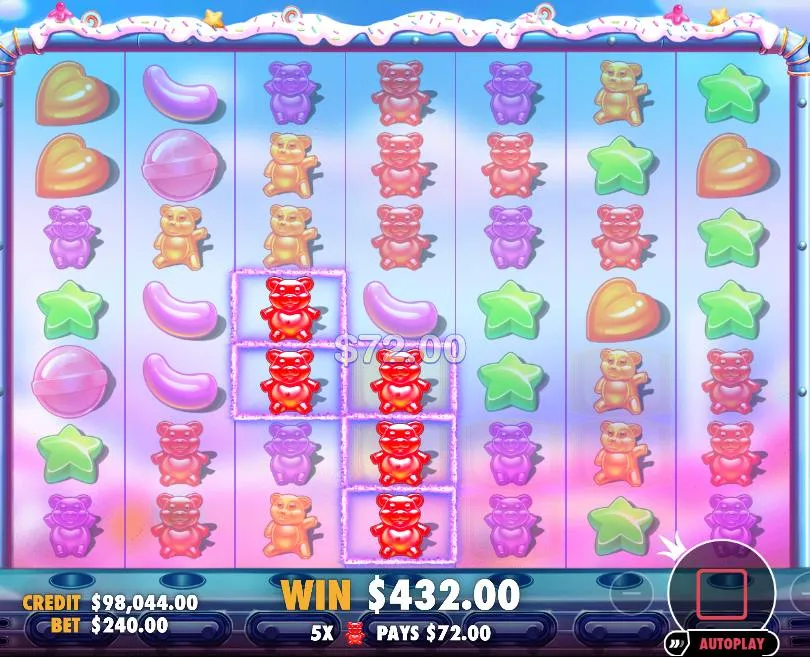
We tested both Bonus Buy tiers extensively — Standard at 100 times the bet and Super at 500 times the bet. Here is exactly what we found, without glossing over the uncomfortable parts.
The Standard Bonus Buy does one thing reliably: it eliminates the wait. It launches the same Free Spins round as a natural trigger, without structural modification. Our results from purchased rounds were distributed across a wide variance range — some excellent, some disappointing — consistent with the natural-trigger distribution. We found no evidence that purchased rounds perform systematically better or worse than naturally-triggered ones.
The Super Bonus Buy starts the round with multipliers already placed — including a ×16 value on the central position. This structural advantage is real. In our Super Buy sessions, the early spins of the round produced better outcomes on average than the early spins of Standard Buy sessions, precisely because the multiplier foundation was already established. The question is cost: at CA$1.00 per spin, the Super Buy costs CA$500 per purchase. We used it deliberately and rarely.
- We used Standard Buy when: the session had been going for 200+ spins without a natural trigger, the remaining budget was at least 4 times the purchase cost, and we wanted to experience the feature within that session
- We used Super Buy when: the session budget was substantial enough that CA$500 represented under 20% of remaining funds, and we specifically wanted to test the multiplier head-start advantage
- We never used either Buy: to recover a previous loss, when the cost would consume most of the session budget, or back-to-back without natural triggers between
- Our honest recommendation: use the Standard Buy selectively and proportionally; avoid the Super Buy unless your session budget is large enough that the cost is genuinely minor in context
How We Approach Each Free Spins Round

Once the Free Spins round begins — however it starts — our approach is consistent: understand that later spins are worth more than early spins, and that the number of spins available determines how long the Multiplier Spot network has to accumulate.
In our testing, the most productive Free Spins rounds we experienced shared a common characteristic: they had sufficient spins to allow multiple Tumble chains to fire across positions that were already holding established multiplier values. In shorter rounds (10 to 12 spins), the network often didn't have enough runway to build before the feature ended. In longer rounds (20 to 30 spins), we frequently saw positions reach ×64, ×128, and higher — and the combined effect of late-round clusters sweeping across several of those positions produced the session-high outcomes we documented.
We also experienced two retriggered rounds during our testing period. Both produced our best overall results. When three scatter symbols landed during an active Free Spins round — adding more spins while accumulated Multiplier Spots carried forward — the extended rounds with existing multiplier foundations were dramatically more productive than non-retriggered rounds of similar initial length. A retrigger is random; it can't be planned for. But understanding why it's valuable helps calibrate expectations appropriately when one does or doesn't arrive.
Five Mistakes We Made Early On — and How to Avoid Them

In the interest of genuine transparency, here are the five most significant errors we made during early Sugar Rush 1000 testing — before we developed the structured approach described above.
- We increased bet size to ""make up for"" a losing run. Three separate early sessions involved raising the bet after an extended base-game dry spell. The logic — that a bigger win was ""due"" — is mathematically invalid. In every case, the escalation depleted the session budget faster without improving the probability of reaching the bonus. We stopped doing this entirely after the third instance.
- We arrived at sessions underfunded. In our earliest tests, we allocated session budgets of 100 to 150 spins at chosen bet levels. The statistical mismatch between that budget and the 1-in-343 average trigger frequency was apparent in the results. Every session that ended before reaching the bonus feature was inadequately funded. Moving to a 300-spin minimum changed session outcomes materially.
- We used the Bonus Buy to fill in time when we were impatient. Several early sessions included Bonus Buy purchases after roughly 150–200 spins without a trigger — not because the budget supported it well, but because impatience won out. The results from those sessions were no better than sessions that didn't include a purchase. The impatience-driven Buy became a reference point for how not to use the feature.
- We played consecutive sessions without resetting our mental frame. High-volatility slots require a fresh expectation at the start of each session. Carrying the frustration of a previous unproductive session into a new one produced the worst decision-making we documented. Taking a meaningful break between sessions, long enough to fully reset, consistently produced more disciplined play.
- We underestimated how long the base game could go without a trigger. Our longest documented wait during testing was 547 spins without a natural trigger. That's well outside the 343-spin average but entirely within the expected variance for a high-volatility game. When we had budgeted for 300 spins and hit spin 400, we'd made a planning error — not the game. Extending the minimum budget concept to a 400-spin buffer for high-variance sessions was the practical fix.
Our Commitment to Responsible Play
We play sugar rush 1000 as professionals, which means we enter every session with documented objectives and predetermined exit conditions. We're aware that this is not how most recreational players engage with the game — and that's why the responsible gambling infrastructure in Canada matters so much.
High-volatility games like Sugar Rush 1000 are designed to produce infrequent, concentrated returns. The experience of extended losing runs is normal and expected. Players who find themselves continuing to play past pre-set loss limits, increasing bets under emotional pressure, or returning to a session to recover what was lost are experiencing patterns that should trigger a pause and, if persistent, a conversation with one of the resources below.
- ConnexOntario: 1-888-230-3505 — 24/7, free, confidential
- Responsible Gambling Council: rgco.org — excellent self-assessment tools
- PlaySmart.ca: Ontario deposit limits and self-exclusion
- Gamblers Anonymous Canada: 1-855-222-5542
- CAMH (Centre for Addiction and Mental Health): camh.ca
We set limits before every session we run, and we honour them. We'd ask Canadian players to do the same.